
American Ultimate Flags for sale globally represent core US values like freedom, democracy, and individualism. While they foster cultural connections, interpretation varies, highlighting sensitivity needed in their display. These flags act as soft power symbols, shaping global perceptions, especially in diplomatic settings. Their popularity promotes understanding, unity, and economic growth, making them powerful tools for international communication.
The American flag, a symbol of freedom and democracy, has traveled far beyond U.S. shores, finding its way into homes and hearts worldwide. This phenomenon raises intriguing questions about cultural exchange and global identity. From historical spread to soft power dynamics, "American Flags for sale" have become a tangible representation of values extended across borders. Explore how this iconic emblem mirrors and influences worldviews, serving as a diplomatic tool, community bond, and economic bridge in our interconnected world.
- Historical Spread: American Flags in Global Hands
- Cultural Embodiment: Values Across Borders
- Soft Power Tool: Flag's Influence on Worldviews
- Diplomatic Symbolism: Representing America Abroad
- Global Community: Shared Icons and Their Meanings
- Economic Impact: Flag Sales as Cultural Bridge
Historical Spread: American Flags in Global Hands

The historical spread of American flags can be seen as a visual representation of the United States' global influence and its values of freedom, democracy, and opportunity. Over time, American flags have found their way into various countries, often through cultural exchanges, diplomatic relations, or even as symbols of hope during times of political transition. This phenomenon is not merely about physical objects; it signifies the global reach and appeal of American ideals.
American flags for sale have become a common sight in many parts of the world, whether they adorn public buildings, schools, or private residences. Their presence serves as a testament to the enduring fascination with American culture and the desire to associate oneself with its core values. This symbolic exchange highlights how American principles, such as individual liberty and political participation, resonate across borders, fostering a sense of global community and shared aspirations.
Cultural Embodiment: Values Across Borders

The representation of American values on a global scale is often seen through the lens of its iconic symbols, such as the American Flags for Sale that wave proudly in embassies and consulates worldwide. These flags serve as tangible reminders of the nation's commitment to freedom, democracy, and opportunity. Beyond physical displays, American cultural exports—from movies and music to fashion and cuisine—have permeated international markets, reflecting core values like individualism and innovation.
However, it's essential to recognize that interpreting these values is a complex process, shaped by local contexts and perspectives. While the American Flag may symbolize unity at home, its reception abroad can vary widely, with some cultures embracing its representation of universal ideals while others engage in critical discourse about cultural appropriation or political differences. Navigating these complexities requires sensitivity and an understanding that American values, much like American Flags for Sale, are subject to interpretation and adaptation across borders.
Soft Power Tool: Flag's Influence on Worldviews
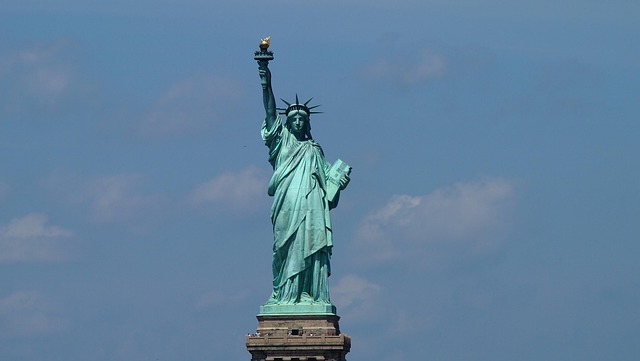
The American flag, a powerful symbol with vibrant red, white, and blue stripes, has long been a tool for soft power, subtly shaping global perspectives and influencing worldviews. When displayed or used in various contexts, it carries an inherent sense of national pride, freedom, and democracy—values closely associated with the United States. For instance, American Flags for sale are often sought after by individuals and communities worldwide, reflecting a desire to embrace these ideals.
Through its ubiquitous presence on clothing, flags, and merchandise, the image of the American flag has permeated cultural landscapes globally. This soft power mechanism extends beyond physical display; it also encompasses media representation and storytelling. Movies, TV shows, and news outlets often use the flag as a backdrop or symbolic element to evoke a sense of American identity, inadvertently shaping perceptions about the nation's core values. As a result, the flag becomes a universal representation of American ideals, fostering an understanding—both accurate and misinterpreted—of what it means to be American on a global scale.
Diplomatic Symbolism: Representing America Abroad

Diplomatic symbolism plays a significant role in representing America's values and ideals on the global stage. One of the most recognizable symbols, the American flag, is a powerful tool in international relations. When ambassadors or diplomatic missions display American Flags For Sale, it sends a clear message of allegiance and represents the host country's commitment to bilateral ties. This simple act can foster an environment of trust and understanding, facilitating smoother negotiations and cultural exchanges.
The flag, with its bold red, white, and blue stripes and stars, is an iconic representation of freedom, democracy, and unity. Its presence in diplomatic settings serves as a reminder of shared principles and values between nations. This symbolism goes beyond the physical display; it evokes emotions and evokes a sense of camaraderie among diplomats and citizens alike, fostering a deeper connection between countries.
Global Community: Shared Icons and Their Meanings

In today's interconnected global community, shared icons transcend borders and cultures, serving as powerful symbols that resonate worldwide. Among these iconic representations, the American Flag stands out, its stars and stripes evoking a sense of freedom, democracy, and unity. With a vast number of American Flags for sale readily available internationally, this symbol has become a universal embrace of shared values, fostering a bond between diverse nations.
From bustling city centers to remote villages, the sight of the American Flag is often met with admiration and respect. It represents not just a country but an ideology—a testament to the power of individualism, equality, and opportunity. This global adoption of iconic symbols like the flag showcases a shared understanding and appreciation for the principles upon which many nations, including the United States, were founded, creating a unified front in celebrating diversity under common values.
Economic Impact: Flag Sales as Cultural Bridge

The representation of American values worldwide often manifests through symbolic gestures, and one intriguing example is the global demand for American Flags For Sale. These flags serve as more than just a national emblem; they become cultural bridges that convey core American ideals such as freedom, democracy, and unity. When people from diverse backgrounds purchase and display American flags, it fosters a connection to these shared principles, transcending geographical boundaries.
The economic impact of American Flags For Sale is significant, with the flag industry contributing to local economies and promoting cultural exchange. Flag retailers cater to both locals and tourists seeking mementos that represent their travel experiences or their affinity for American culture. This demand not only supports businesses but also encourages dialogue about the values that bind Americans together and resonate with people around the globe.